What to note before calling
Write down where pests appear, time of day, whether food or moisture is nearby, whether droppings or damage are visible, and whether the issue follows rain, trash pickup, deliveries, or yard work.
 Phenix CityPest ControlCall 334-458-5480
A little preparation makes the call clearer. You do not need to solve the pest problem yourself. You just need to collect the details that help a provider understand the property, the evidence, and the questions that matter before service is scheduled.
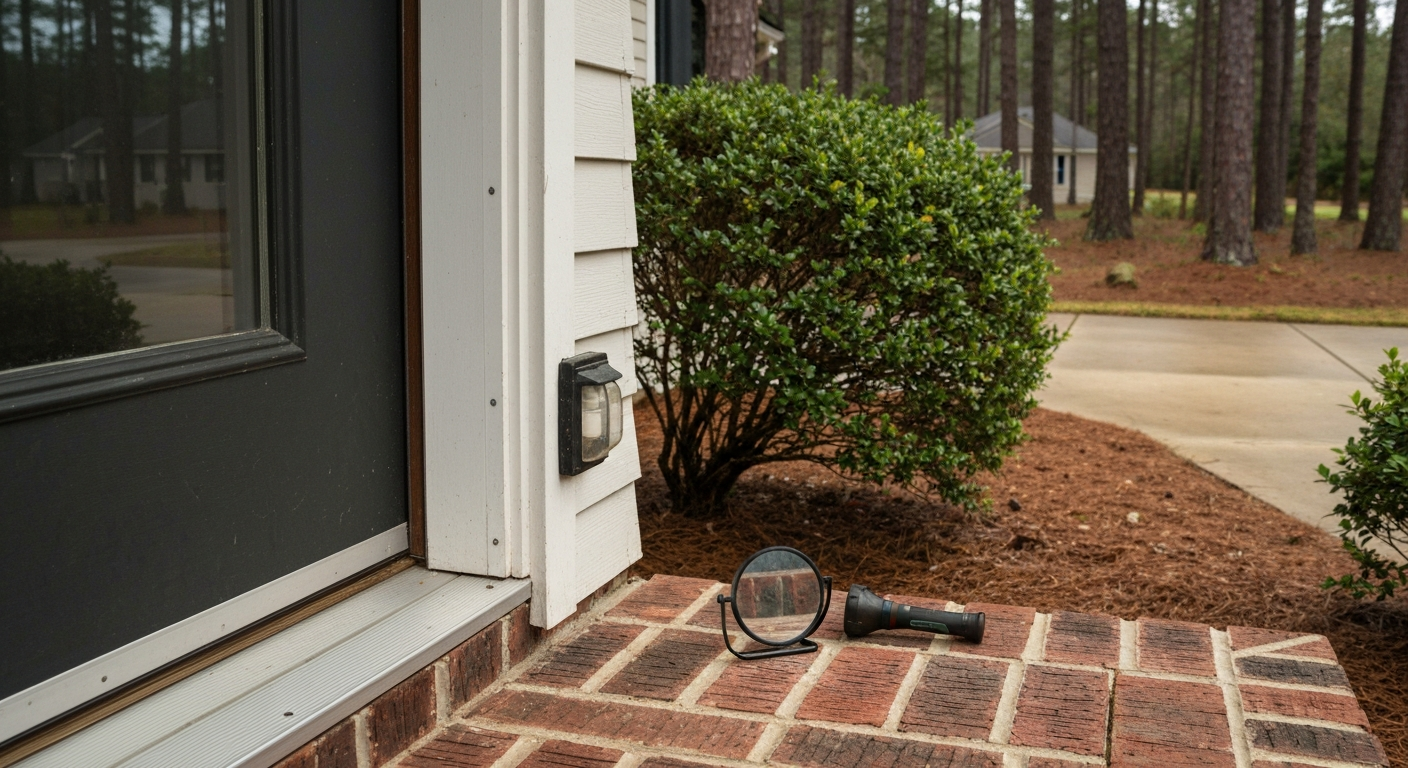
This checklist fits Phenix City homes near wooded lots, river humidity, older crawlspaces, slab foundations, garages, porches, sheds, damp landscaping, and warm-season pest pressure.
For this kind of pest call, you will get better answers when you explain the evidence, affected rooms, outside conditions, property type, and any pets or access issues before booking.
Say where the a homeowner pest control checklist is showing up in Phenix City: kitchen sink, bathroom, attic, crawlspace, garage, porch, foundation line, yard, or business space.
Mention pets, children, tenants, gates, alarms, crawlspace access, attic access, and business hours at the Phenix City property before scheduling a homeowner pest control checklist help.
Ask the provider who answers to confirm availability for Phenix City, price structure, preparation, follow-up options, and license or insurance details before you hire them for a homeowner pest control checklist.
Write down where pests appear, time of day, whether food or moisture is nearby, whether droppings or damage are visible, and whether the issue follows rain, trash pickup, deliveries, or yard work.
Ask about inspection approach, preparation, pets, follow-up, pricing, service scope, license or insurance confirmation, and what details still need to be confirmed in person.
a homeowner pest control checklist works better when you begin with the room, wall, yard area, or business space involved. A kitchen issue may point to food storage, plumbing, appliances, or trash. A bathroom issue may point to drains, moisture, or wall voids. A porch or patio issue may connect to lights, standing water, plants, mulch, or door gaps. Attic and crawlspace concerns bring up vents, insulation, rooflines, and access. The call gets easier when you can describe the exact setting.
a homeowner pest control checklist can change after rain, heat, landscaping, construction, moving boxes, new tenants, pet food, trash pickup, restaurant deliveries, firewood, or a plumbing leak. You do not have to know which detail matters. Mention the changes and let the provider decide what is relevant.
For a homeowner pest control checklist, photos and simple notes can help when the pest is gone by the time you call. Save details about size, color, number seen, time of day, trails, droppings, wings, webbing, nests, mounds, bites, damaged packaging, gnaw marks, sounds, and exterior gaps. Avoid touching droppings, nests, unknown insects, stinging insects, suspected termite evidence, or chemical residue.
For a homeowner pest control checklist, mention children, older residents, respiratory concerns, pregnancy, pets, aquariums, backyard chickens, kennels, edible garden beds, and any rooms that need special care. Ask what should be moved or covered, where people and animals should be during service, and when normal use can resume. The right answer depends on the pest, product, property, and provider instructions.
If you already used sprays, baits, foggers, traps, dusts, essential oils, bleach, home remedies, or store-bought products before reading about a homeowner pest control checklist, say so. Some products scatter pests or hide evidence. Others create safety or timing questions. The provider who answers can give better guidance when they know what has already happened.
For a rental tied to a homeowner pest control checklist, say whether the landlord or property manager must approve service. For a business, mention hours, customer areas, food handling, receiving doors, employee reports, storage rooms, restrooms, dumpsters, keys, alarms, and documentation needs. These details affect scheduling and scope.
Before booking after reading about a homeowner pest control checklist, ask what inspection or treatment areas are included, what preparation is required, how pricing is calculated, whether follow-up is available, and what details still need to be confirmed on site. Also ask about license or insurance details directly with the provider. A good call should make the next step clearer.
a homeowner pest control checklist can help you prepare for the conversation, but the website cannot inspect your property. Use the guide to collect facts, then call with the address or ZIP code, pest evidence, affected areas, property type, access concerns, and safety questions. That gives the provider enough information to tell you whether they can help and what you should do next.
A single bug may not make a homeowner pest control checklist urgent. A pattern deserves attention: ants that return to the same sink, roaches around one appliance, spiders in one storage room, mosquitoes that make the patio unusable, scratching in one wall, or pests appearing after every rain. Repeated patterns often point to a condition that has not been corrected.
No. The a homeowner pest control checklist guide helps you prepare for a better call. Active pest problems still need direct provider guidance.
Have the address or ZIP code, pest evidence, affected rooms or outside areas, property type, pets, access issues, and any products already used for a homeowner pest control checklist.
Use these related pages to narrow the pest control checklist for phenix city homeowners call by property type, pest concern, or nearby service area.
Call first. Confirm service details directly with the provider who responds.