Where pests show up at home
Useful residential calls mention kitchens, bathrooms, laundry rooms, bedrooms, garages, attics, crawlspaces, porches, foundation cracks, mulch beds, pet areas, and doors that open toward damp or wooded spaces.
 Phenix CityPest ControlCall 334-458-5480
A pest problem at home feels personal fast. It can affect kitchens, bedrooms, pets, children, storage closets, porches, and the quiet parts of the house people usually ignore until something scratches, crawls, or bites. Call Phenix City Pest Control when you want to explain what is happening and ask what residential pest help may be available.
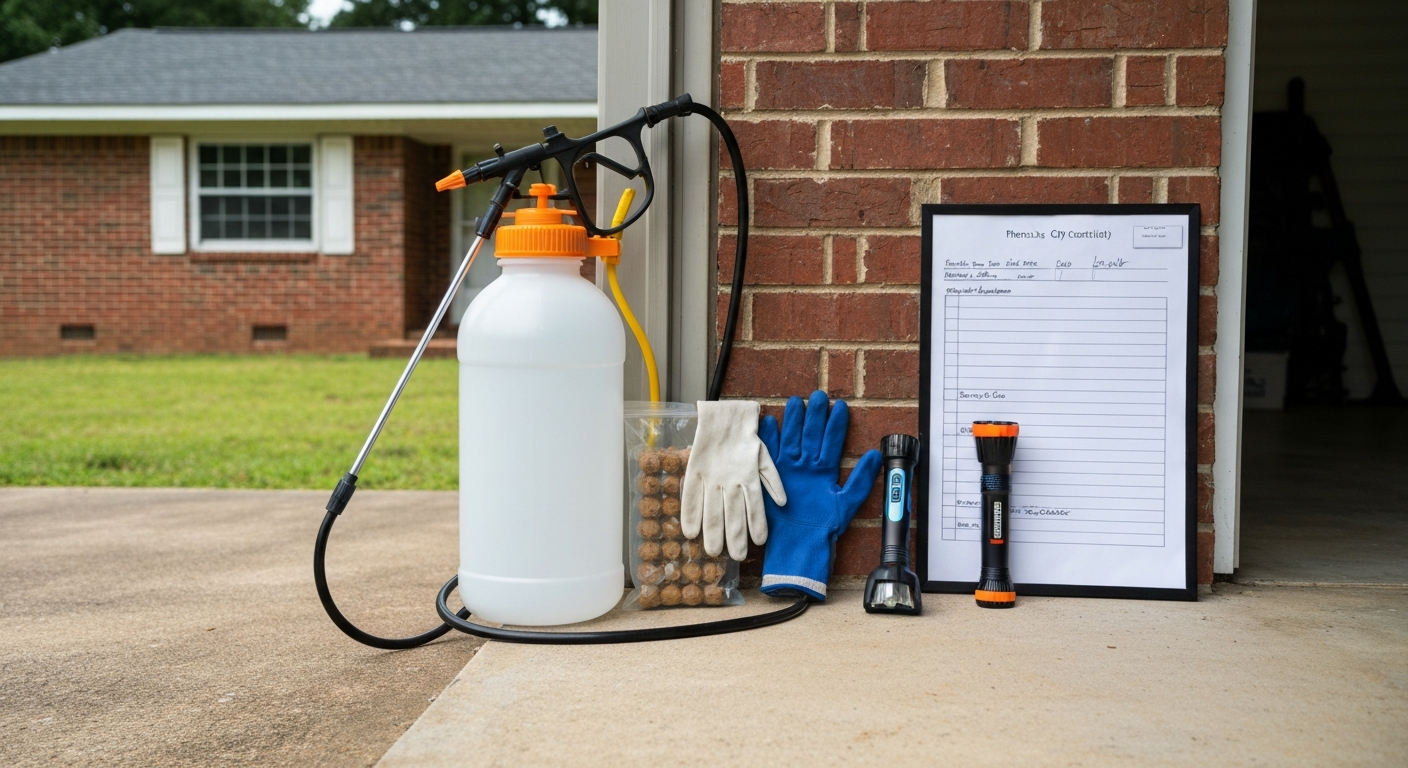
Homes around Phenix City can have pest pressure from river humidity, shaded lots, crawlspace vents, slab edges, mulch, porch lights, garages, sheds, pet areas, and warm rainy seasons. Tell the provider what type of home it is and where the activity is strongest.
For this kind of pest call, you will get better answers when you explain the evidence, affected rooms, outside conditions, property type, and any pets or access issues before booking.
Say where the residential pest control is showing up in Phenix City: kitchen sink, bathroom, attic, crawlspace, garage, porch, foundation line, yard, or business space.
Mention pets, children, tenants, gates, alarms, crawlspace access, attic access, and business hours at the Phenix City property before scheduling residential pest control help.
Ask the provider who answers to confirm availability for Phenix City, price structure, preparation, follow-up options, and license or insurance details before you hire them for residential pest control.
Useful residential calls mention kitchens, bathrooms, laundry rooms, bedrooms, garages, attics, crawlspaces, porches, foundation cracks, mulch beds, pet areas, and doors that open toward damp or wooded spaces.
Ask about children, pets, aquariums, bedding, toys, food-contact surfaces, preparation, re-entry timing, and what should be left alone for inspection.
Moisture, food access, damaged door sweeps, wall gaps, crawlspace vents, attic openings, trash, cardboard storage, and vegetation touching the house can keep a residential problem alive.
For residential pest control, the pest name is only the beginning. The setting usually matters more: kitchen, bath, attic, crawlspace, garage, porch, lawn, restaurant, storage room, or office. Tell the provider whether the activity is new, spreading, worse after rain, tied to food or moisture, or concentrated near one wall or entry point. That turns the call from a generic price request into a real service conversation.
Access problems waste time during a residential pest control call. Mention locked gates, dogs in the yard, attic ladders, crawlspace doors, tenant approval, parking, alarms, business hours, or areas that cannot be entered without notice. If the property is a rental or business, say who can approve service and who will meet the provider.
Photos, notes, damaged packaging, droppings, insect wings, trails, nests, webbing, gnaw marks, entry holes, and dead insects can help during a residential pest control call. Do not handle droppings, stinging insects, nests, suspected termite tubes, unknown chemicals, or anything that may be unsafe. If you already used sprays, traps, baits, foggers, or home remedies, say so.
For residential pest control, ask what needs to be moved, covered, cleaned, or left alone. Families should mention children, pets, aquariums, kennels, bedding, toys, bowls, food-contact surfaces, respiratory concerns, and sensitive areas. Product choices and preparation vary by provider, pest, and property, so get instructions directly from the person handling the job.
A residential pest control visit may address current activity, but repeat pests often come from moisture, gaps, food access, trash storage, vegetation, mulch depth, standing water, damaged door sweeps, attic gaps, crawlspace vents, or garage seals. Ask what conditions the provider notices and which ones you can correct before pests return.
Commercial callers asking about residential pest control should mention kitchens, restrooms, break rooms, dumpsters, receiving doors, storage racks, employee sightings, customer areas, and any documentation needs. If discreet timing matters, say that upfront. Confirm service scope, price structure, preparation, license or insurance details, and follow-up options before booking.
For residential pest control, Phenix City humidity, wooded edges, older crawlspaces, slab foundations, porches, sheds, garages, storms, and warm evenings can all change pest pressure. The same pest can behave differently in a shaded crawlspace home, a slab retail suite, a student rental, or a restaurant with deliveries. Tell the provider what the property is like, not just what pest you think it is.
For residential pest control, have the address or ZIP code ready, describe the evidence, name the affected areas, explain who lives or works there, list access limits, and ask what happens next. You should leave the call knowing whether service is available, what preparation may be needed, how pricing is handled, and what still has to be confirmed in person.
Yes. Use the phone number and explain the pest activity directly.
Ask about follow-up options, prevention steps, and property conditions that could be feeding the problem.
Yes. Businesses should call with the property type, affected areas, access needs, and any documentation or scheduling concerns.
Use these related pages to narrow the residential pest control in phenix city, al call by property type, pest concern, or nearby service area.
Call first. Confirm service details directly with the provider who responds.